

Good Man Syndrom (GMS), how to come out from this....

Good Man Syndrome (GMS) refers to the pattern where someone (often a man) feels the need to be constantly nice, helpful, or "good" in a way that becomes self-sacrificial or detrimental to their own well-being. This often involves putting others' needs first, avoiding conflict at all costs, and suppressing emotions or desires to keep others happy, even if it means compromising their own happiness or self-respect.
The term is sometimes used to describe someone who tries to fit into societal expectations of being a "good man" or "good person," which may include always being the helper, always being reliable, and sometimes even trying to be perfect in ways that are exhausting or unrealistic. The pressure to maintain this image can lead to burnout, resentment, or feelings of inadequacy.
Symptoms of Good Man Syndrome:
- Over-committing: Always saying yes to requests, even when you feel overwhelmed.
- Avoiding conflict: Never speaking up or standing your ground because you're afraid of upsetting others.
- People-pleasing: Prioritizing others' happiness over your own needs or desires.
- Self-neglect: Sacrificing your own well-being to make others happy.
- Inauthenticity: Hiding your true feelings or desires because you're trying to live up to an ideal of "being good."
- Resentment: Eventually feeling drained, frustrated, or unappreciated, even though you’ve been constantly “good” to others.
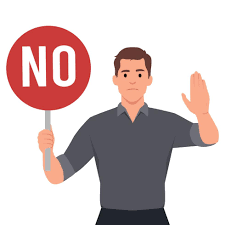
"Say no to good man syndrome" means to actively resist the tendency to be excessively "nice" or accommodating to others, even at the expense of your own needs, potentially leading to resentment and unhealthy relationship dynamics; essentially, it encourages setting healthy boundaries and asserting yourself when necessary, rather than constantly putting others first out of a fear of not being seen as a "good guy.".
Key points about "good man syndrome":
-
Underlying fear:
Often stems from a fear of rejection or conflict, leading individuals to prioritize pleasing others over their own well-being.
-
Harmful behaviors:
Can include constantly apologizing, avoiding confrontation, saying yes when you want to say no, and feeling entitled to a partner's affection simply because of your "goodness".
-
Impact on relationships:
Can lead to resentment, passive-aggressive behavior, and difficulty maintaining healthy relationships.
How to combat "good man syndrome":
- Self-awareness: Recognize when you are putting others' needs above your own and why.
- Set boundaries: Clearly communicate your needs and limits to others.
- Practice assertive communication: Learn to express your opinions and needs directly, without guilt or apology.
- Challenge negative beliefs: Identify and address any underlying beliefs that drive your "good man" behavior.
How to Come Out of Good Man Syndrome:
-
Acknowledge the Issue: The first step to breaking out of Good Man Syndrome is recognizing that you’ve been caught in a cycle of people-pleasing and self-sacrifice. Be honest with yourself about how it's affecting your mental and emotional health.
-
Define Your Boundaries: Start setting clear boundaries in your relationships. This means saying no when you need to, not overcommitting, and making time for yourself. Remember, boundaries are an act of self-respect and don’t make you a bad person.
-
Practice Saying No: Saying "no" can be tough, especially if you're used to pleasing others, but it's essential for protecting your energy and mental space. Practice saying no in small ways and gradually build up to bigger situations.
-
Embrace Imperfection: Accept that you don't have to be perfect all the time. It’s okay to have flaws, make mistakes, and not always be available. This will help you break the need to be a “perfect good man.”
-
Stop Seeking External Validation: If you’re constantly looking for validation from others, it can reinforce the idea that your value comes from what you do for others. Work on cultivating self-worth from within instead of relying on others' approval.
-
Cultivate Self-Compassion: Be kind to yourself and treat yourself with the same compassion you extend to others. Allow yourself to rest, enjoy life, and prioritize your own needs and desires.
-
Engage in Honest Conversations: If you’ve been suppressing your feelings or avoiding difficult conversations, practice being more open with the people around you. Let them know when you need something or when you're feeling overwhelmed.
-
Seek Support: Consider talking to a therapist or counselor to help explore why you’ve developed these patterns and to work through any deep-rooted beliefs or fears you might have about being "good."
The journey of stepping away from Good Man Syndrome is about learning to honor your own needs, embracing authenticity, and realizing that being "good" doesn't require you to neglect yourself. It's about balance, self-respect, and finding healthy, genuine ways to connect with others.