

US-CHINA TRAIFF WAR -WHO WILL WIN
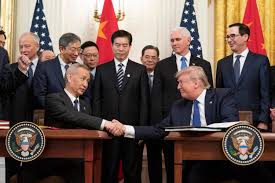
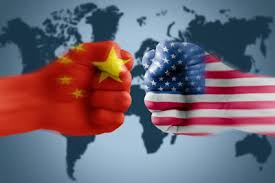
The outcome of the U.S.-China trade war is complex and depends on various factors. It’s not just about one side "winning" in the traditional sense, but more about how both nations and the global economy adapt to the changes caused by tariffs, trade restrictions, and shifting alliances. Here are a few key points:
-
Economic Impact on Both Sides:
- China: China’s economy has been affected by the trade war, especially in sectors like manufacturing and technology. However, China has worked to diversify its trade partners and increase domestic consumption. They have also made efforts to strengthen ties with other regions like Europe, Southeast Asia, and Africa.
- U.S.: The U.S. has seen mixed effects. While some industries (like agriculture) have suffered from Chinese retaliatory tariffs, others (like tech and energy) have gained. The tariffs also led to higher prices for consumers in the U.S.
-
Global Supply Chains: Both the U.S. and China have significant economic ties to the rest of the world. As tariffs increase, many companies have started shifting their supply chains to other countries, such as Vietnam, India, and Mexico, which has resulted in costs for both countries.
-
Political Factors: The trade war is not just about economics; it’s also a matter of national security, global influence, and political strategy. China’s rise as a global power challenges U.S. dominance, and both countries have used the trade war to position themselves in a way that strengthens their geopolitical standing.
-
Long-Term Effects: Over time, global markets and economies may adjust, and while the trade war causes short-term pain, new trading partnerships, and innovative strategies could emerge. Both China and the U.S. could find ways to benefit from a redefined global trade system.
So, "winning" might look different to each side. The U.S. might see it as achieving its goals of reducing the trade deficit and curbing China’s industrial practices, while China might view it as an opportunity to diversify and strengthen its domestic market.
In the end, the global economy could also change dramatically in response to the trade conflict, meaning that no country may come out completely unscathed or entirely victorious.